Your CPF Ordinary Account (OA) is one of the most useful tools for buying a home in Singapore — and one of the most misunderstood. Used well, it stretches your buying power. Used carelessly, it quietly eats into your future sale proceeds through something called accrued interest. Here's what actually governs your CPF use.
What you can use CPF for
You can tap your OA for the downpayment (beyond the minimum cash portion), the monthly mortgage, stamp duties and legal fees. There's no age restriction on using OA for housing — unlike your Retirement Account. But how much you can use is capped by two limits.
The Valuation Limit (VL)
The Valuation Limit is the lower of the property's purchase price or its bank valuation. Your CPF usage is measured against this number, not whatever you happened to pay. So if a place is valued at $800,000 but you bought it for $850,000, your CPF is calculated against $800,000.
The Withdrawal Limit (WL)
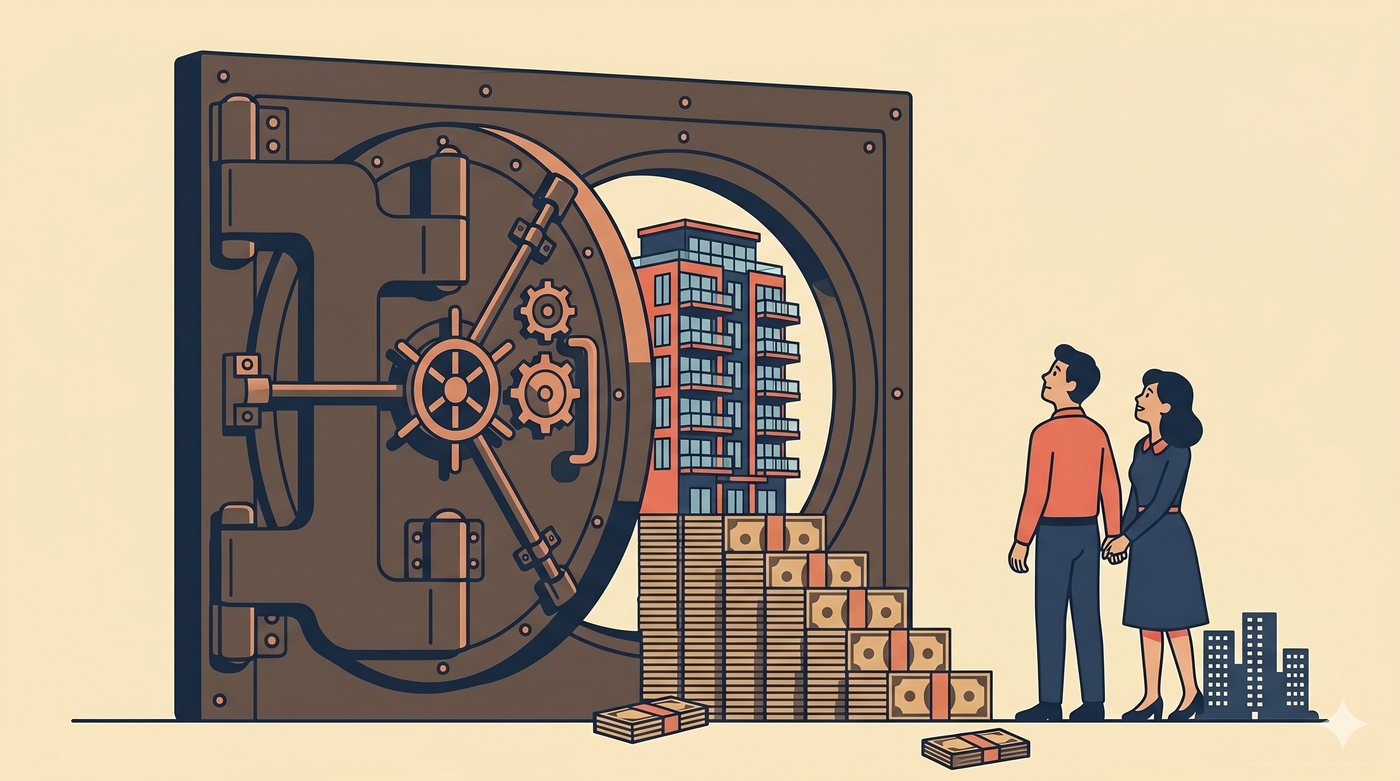
You can use OA up to 100% of the Valuation Limit as standard. If the property has a remaining lease of at least 60 years from the date of withdrawal, you may go up to 120% of the VL — but only once you've set aside your Basic Retirement Sum (BRS) in CPF. For 2026, the BRS is $110,200. Once your total withdrawals (principal plus accrued interest) hit the limit, no more OA can be used and you continue in cash.
The trap: accrued interest
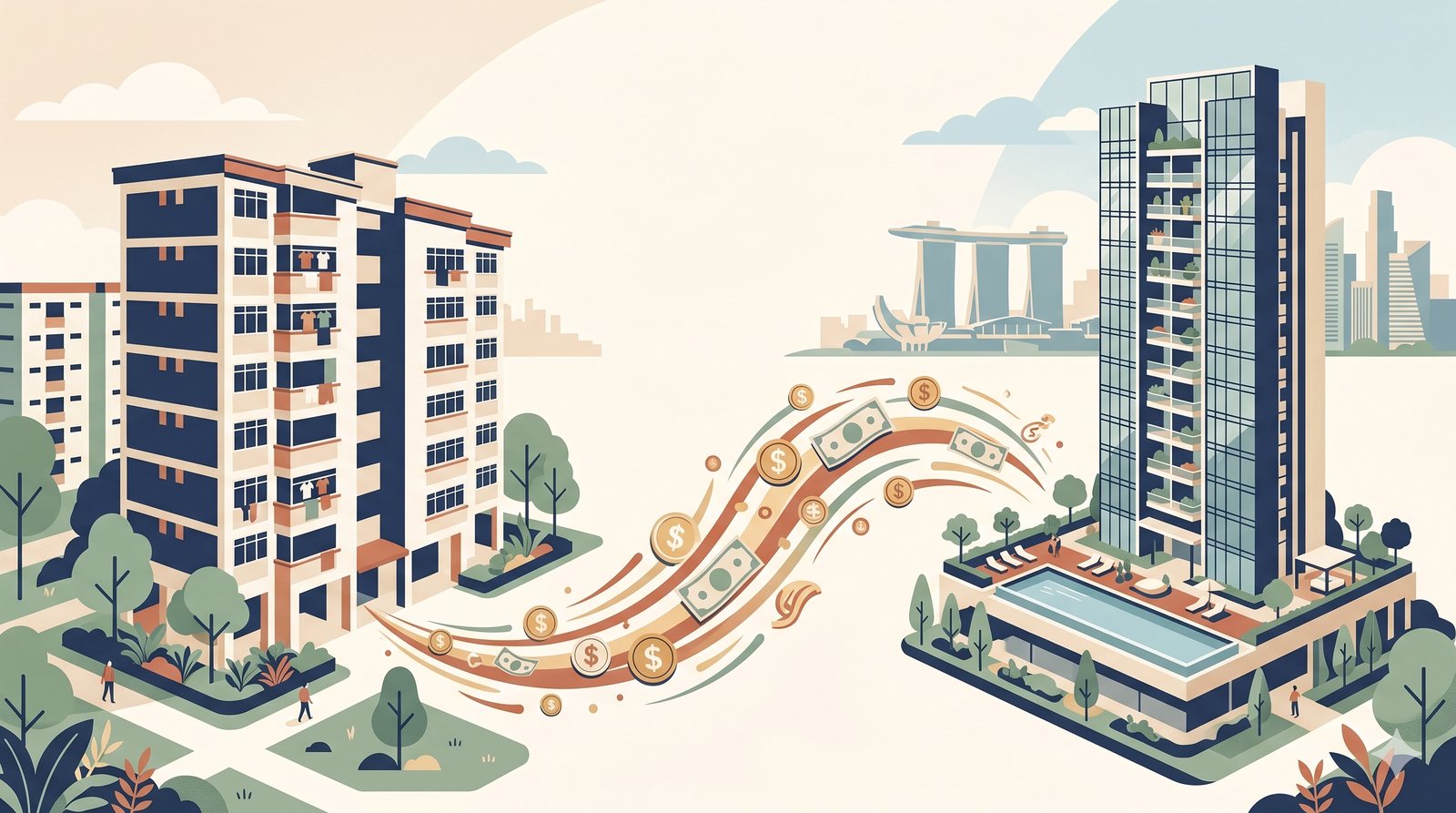
This is the part that surprises people. Every dollar of OA you use for property would otherwise have earned 2.5% interest a year in your CPF. When you sell, you must refund both the principal you used AND the interest it would have earned — the accrued interest — back into your CPF. It doesn't disappear; it goes back to your retirement savings. But it means your cash-in-hand on sale is smaller than the headline profit suggests.

Hey — quick hello, I’m Melvin
If we haven’t met: I’m Melvin Lau, a property strategist with PropNex (CEA R067207F). I don’t just open doors for viewings — I help homeowners sequence the big moves and run the numbers before they sign anything. Most of my work is exactly this kind of planning.
If any of this feels relevant to your own situation, just message me — no pitch, no obligation, happy to talk it through.
WhatsApp Melvin →Why this matters before you buy
Maxing out CPF feels free at purchase — it's not cash out of your pocket today. But the accrued interest compounds silently for years, so on the day you sell, a large CPF refund can mean you walk away with far less cash than you expected. I cover exactly how this plays out for sellers in my piece on HDB sale proceeds.
None of this means avoid CPF — it's a powerful tool. It means use it deliberately. Sometimes paying a little more in cash and preserving OA (so it keeps earning 2.5%) leaves you better off long term. The right balance depends on your cash position, your timeline and your retirement plan — which is exactly the kind of trade-off worth mapping before you commit.
Figures and rules as at June 2026, per IRAS, HDB, CPF and MAS. Rates, thresholds and policies are set by the authorities and can change — confirm current figures before acting.
Frequently asked questions
How much CPF can I use to buy a property?
You can use your OA up to 100% of the Valuation Limit (the lower of price or valuation). If the property has at least 60 years of lease left, you can go up to 120% of the VL, but only after setting aside your Basic Retirement Sum, which is $110,200 in 2026.
What is the Valuation Limit for CPF property use?
The Valuation Limit is the lower of the property's purchase price or its bank valuation. Your CPF usage is calculated against this figure, so if you pay above valuation, the excess must be covered in cash.
What is CPF accrued interest?
Accrued interest is the 2.5% per year your OA savings would have earned had you not used them for property. When you sell, you must refund both the principal used and this accrued interest back into your CPF account.
Do I lose my CPF accrued interest when I sell?
No — it isn't lost, it's returned to your own CPF account as retirement savings. But it does reduce the cash you walk away with at sale, since the refund comes off your sale proceeds first.
Is there an age limit for using CPF to buy property?
There's no age restriction on using your Ordinary Account for housing. Restrictions apply to the Retirement Account from age 55, but OA can be used for an eligible property purchase regardless of age, subject to the Valuation and Withdrawal Limits.
The first conversation is complimentary — we balance your CPF and cash so you're not caught out by accrued interest later.
WhatsApp Melvin →