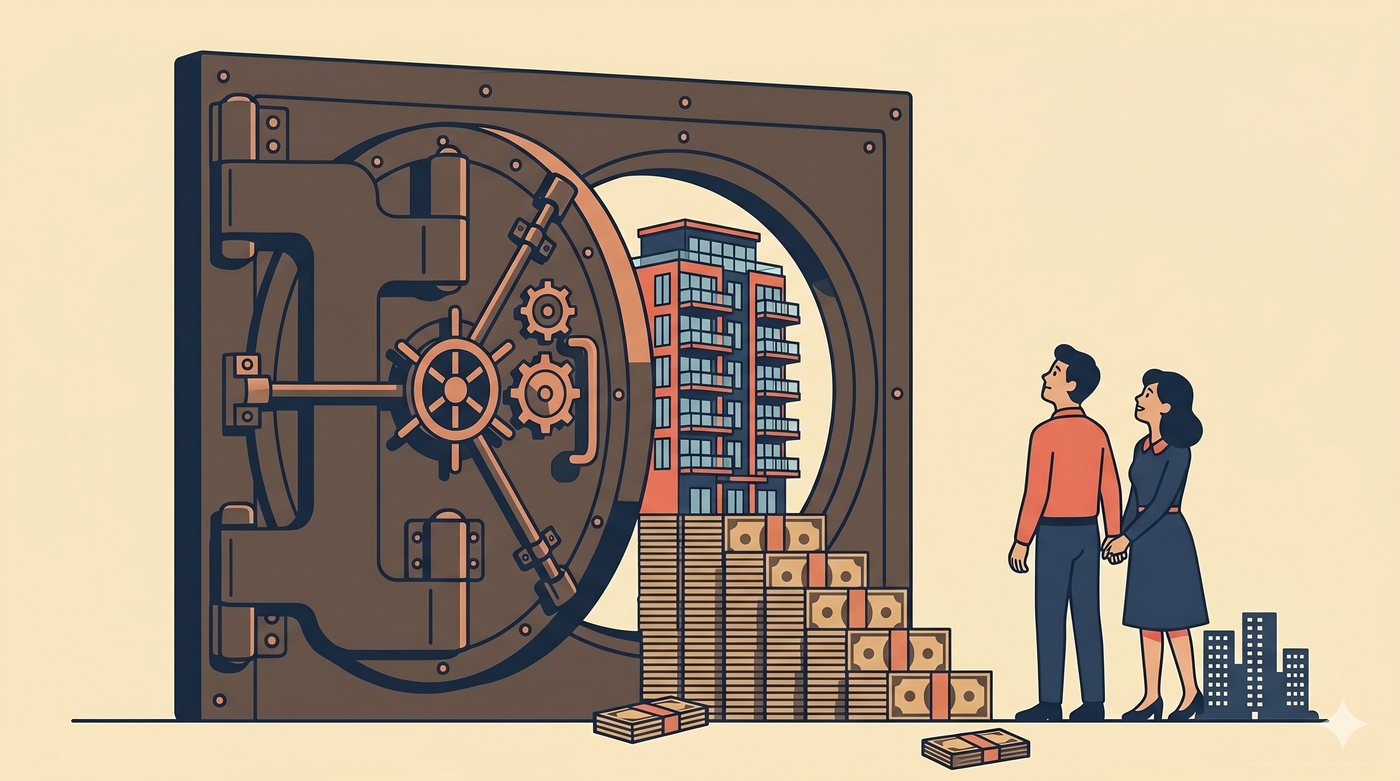

The Option to Purchase, or OTP, is the single most important document in a private property purchase — and the one buyers understand least. It's the contract that takes you from “I like this unit” to “this unit is legally mine to buy.” Here's exactly how it works, step by step.
What the OTP actually is
An OTP is a legal agreement where the seller grants you — and only you — the exclusive right to buy their property at an agreed price, for a fixed window of time. In exchange, you pay an option fee (commonly 1% of the price for private property). During that window, the seller cannot sell to anyone else.
The two-step structure
- Step 1 — Grant of the OTP. You pay the option fee (typically 1%), and the seller signs the OTP. You now hold the exclusive right to buy, usually for a 14-day option period (for private resale).
- Step 2 — Exercising the OTP. Within that period, if you decide to proceed, you “exercise” the option by signing it and paying the balance of the deposit (commonly a further 4%, making 5% total). The sale is now binding on both sides.
If you don't exercise within the option period, the OTP simply lapses — and you forfeit the option fee. That forfeited fee is the price of changing your mind, and it's deliberately structured that way.
From exercise to completion
Once exercised, your lawyer and the seller's lawyer handle the conveyancing — title checks, stamp duty (payable within 14 days of exercising), mortgage drawdown and the final completion, typically around 8–12 weeks later, when the balance is paid and keys handed over.

Hey — quick hello, I’m Melvin
If we haven’t met: I’m Melvin Lau, a property strategist with PropNex (CEA R067207F). I don’t just open doors for viewings — I help homeowners sequence the big moves and run the numbers before they sign anything. Most of my work is exactly this kind of planning.
If any of this feels relevant to your own situation, just message me — no pitch, no obligation, happy to talk it through.
WhatsApp Melvin →The mistakes that cost buyers
- Granting an OTP before your finances are confirmed. Get your loan in-principle approval (and for HDB, your HFE letter) before you pay an option fee — otherwise you risk forfeiting it if financing falls through.
- Misreading the option period. Diarise the exact expiry. Miss it and the option lapses; your fee is gone.
- Forgetting stamp duty timing. Buyer's Stamp Duty (and ABSD if applicable) is due within 14 days of exercising — in cash or CPF, ready on time.
The OTP is short, but it's binding and the deadlines are unforgiving. Have your financing and your lawyer lined up before you sign anything — that's the difference between a smooth purchase and a forfeited fee.
Figures and rules as at June 2026, per IRAS, HDB, CPF and MAS. Rates, thresholds and policies are set by the authorities and can change — confirm current figures before acting.
Frequently asked questions
What is an Option to Purchase (OTP)?
An OTP is a legal agreement where a seller grants a buyer the exclusive right to purchase their property at an agreed price within a fixed period. The buyer pays an option fee (commonly 1% for private property), and during the option period the seller cannot sell to anyone else.
How long is the option period for a resale condo?
For private resale property, the option period is typically 14 days. Within that window the buyer must decide whether to exercise the OTP. If they don't, the option lapses and the option fee is forfeited.
What does it mean to exercise the OTP?
Exercising the OTP means signing it within the option period and paying the balance of the deposit (commonly a further 4%, making 5% in total). Once exercised, the sale becomes binding on both buyer and seller.
What happens if I don't exercise the OTP?
The OTP lapses and you forfeit the option fee you paid (commonly 1% of the price). The seller is then free to sell to others. This is the cost of changing your mind after securing the option.
When is stamp duty due after exercising the OTP?
Buyer's Stamp Duty, and ABSD if applicable, is payable within 14 days of exercising the OTP. It can be paid in cash or CPF, so have the funds ready on time to avoid penalties.
The first conversation is complimentary — I'll make sure your financing and paperwork are lined up before you sign an OTP.
WhatsApp Melvin →