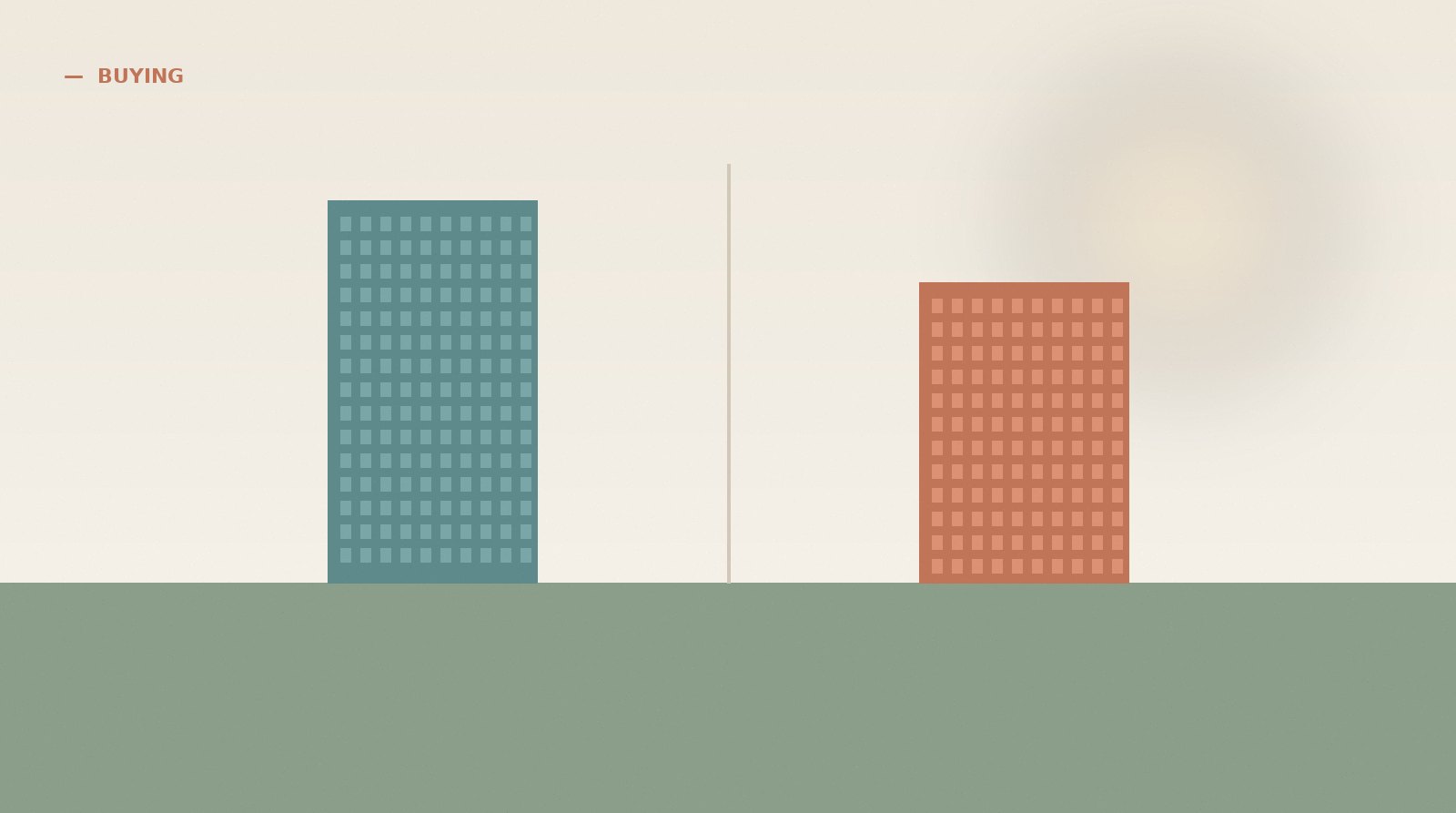

“Freehold holds its value, leasehold doesn't” — you've heard it a hundred times, and it's half right. The freehold-versus-leasehold question is more nuanced than the slogans, and the right answer depends on why you're buying and how long you'll hold. Let me give you the real picture.
The core difference
Freehold means you own the property indefinitely — there's no expiry. Leasehold (in Singapore, usually 99 years, sometimes 999) means you own it for the duration of the lease, after which it returns to the state. From day one, a leasehold's clock is ticking; a freehold's isn't.
The case for freehold
- No lease decay. The asset doesn't shrink with time, so it tends to hold value better over very long horizons and is easier to pass down to the next generation.
- Stronger en-bloc appeal in some cases, and no anxiety about the lease dipping below the thresholds where financing and CPF use tighten.
The catch: freehold usually costs more per square foot — you pay a premium for “forever.”
The case for leasehold
- Lower entry price for a comparable location and size — often meaningfully cheaper than a nearby freehold.
- Higher rental yield potential, because the rent is similar but your purchase price is lower.
- For a buyer with a defined holding period (not holding for 50+ years), the lease decay may barely matter to their plan.
The catch: as I explain in my piece on lease decay, value erosion accelerates as the lease shortens — and once a lease drops past certain points, banks lend less and CPF usage tightens, shrinking your future buyer pool.

Hey — quick hello, I’m Melvin
If we haven’t met: I’m Melvin Lau, a property strategist with PropNex (CEA R067207F). I don’t just open doors for viewings — I help homeowners sequence the big moves and run the numbers before they sign anything. Most of my work is exactly this kind of planning.
If any of this feels relevant to your own situation, just message me — no pitch, no obligation, happy to talk it through.
WhatsApp Melvin →So which holds value better?
Over a very long horizon — decades, generational holding — freehold has the structural edge, because it simply doesn't decay. Over a defined, shorter horizon with a clear exit, a well-located leasehold can outperform on a total-return basis, because you paid less to get in and earned more yield along the way.
The honest answer isn't “freehold always wins.” It's: match the tenure to your plan. Buying a forever home or an inheritance asset? Freehold's premium may be worth it. Buying for yield or a 10–15 year hold in a prime spot? A leasehold can be the smarter buy. The mistake is paying a freehold premium you'll never benefit from — or buying a decaying leasehold you intend to hold for life.
Figures and rules as at June 2026, per IRAS, HDB, CPF and MAS. Rates, thresholds and policies are set by the authorities and can change — confirm current figures before acting.
Frequently asked questions
What is the difference between freehold and leasehold?
Freehold means you own the property indefinitely with no expiry. Leasehold means you own it for a fixed term — usually 99 years in Singapore — after which it returns to the state. A leasehold's value is affected by lease decay over time; a freehold's isn't.
Does freehold hold its value better than leasehold?
Over very long horizons, freehold has a structural advantage because it doesn't decay and is easier to pass down. But over a defined shorter holding period, a well-located leasehold can deliver better total returns thanks to its lower entry price and higher yield.
Why is leasehold cheaper than freehold?
Because a leasehold has a finite lifespan that decays over time, while freehold lasts forever. Buyers pay a premium for that permanence, so a comparable freehold typically costs more per square foot than a nearby leasehold.
Does lease decay affect financing?
Yes. As a lease shortens past certain thresholds, banks lend less against the property and CPF usage tightens, which shrinks the pool of buyers who can afford it and can accelerate value erosion.
Should I buy freehold or leasehold?
Match the tenure to your plan. For a forever home or a generational asset, freehold's premium may be worth it. For yield or a defined 10–15 year hold in a strong location, a leasehold can be the smarter buy.
The first conversation is complimentary — we match the tenure to your actual holding plan so you don't overpay for the wrong thing.
WhatsApp Melvin →