
When your home loan's lock-in ends, your interest rate usually jumps to a higher “thereafter” rate — and most owners just let it happen, quietly overpaying for years. You have two ways to fix that: reprice or refinance. They sound similar, but the costs, timing and savings differ enough that picking the wrong one leaves real money on the table.
Here's the honest comparison.
The one-line difference
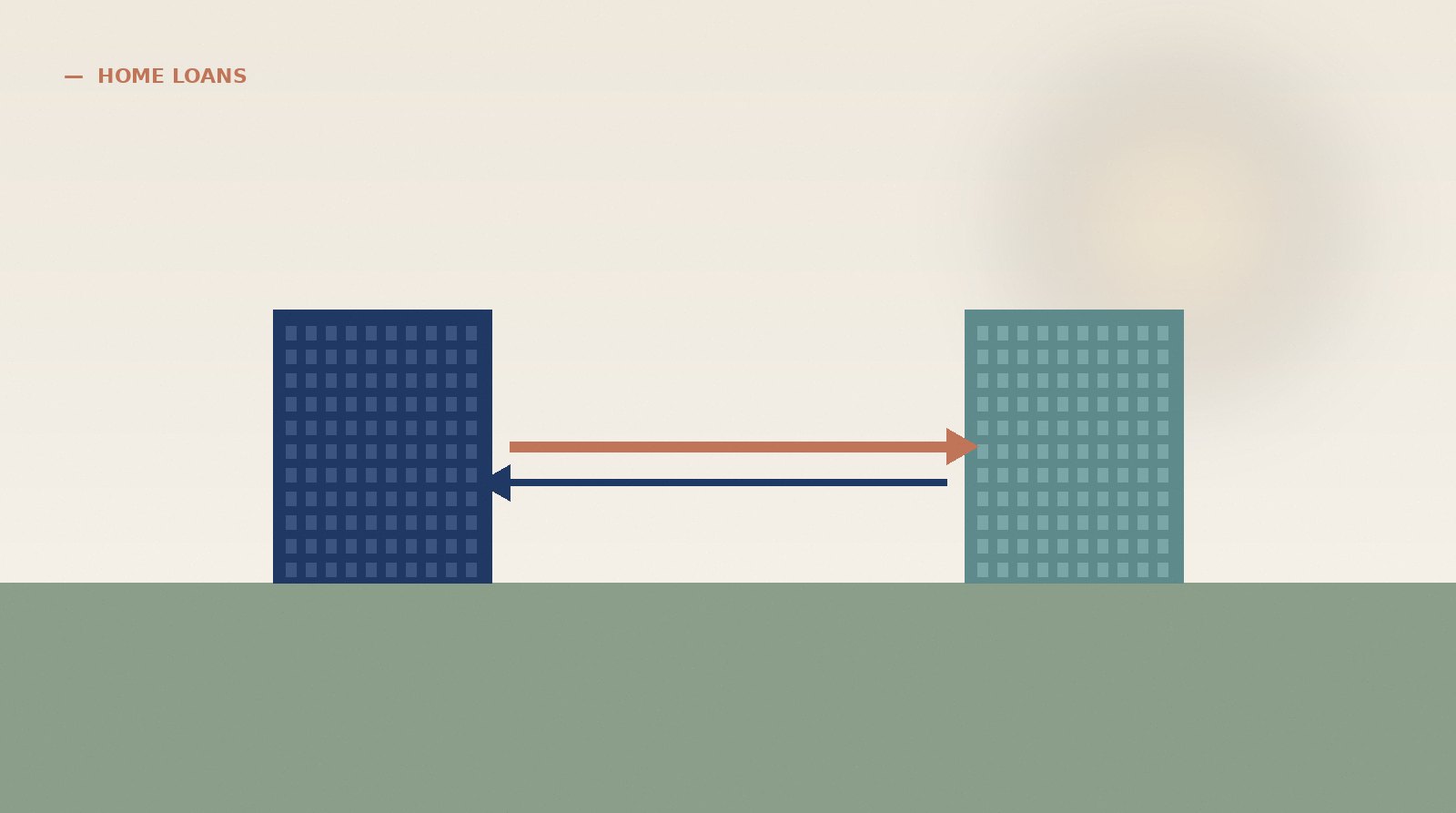
Repricing means switching to a new loan package within your existing bank. Refinancing means closing your current loan and moving to a different bank. Same goal — a lower rate — but very different paperwork and cost.
Repricing: faster, cheaper, simpler
Repricing is the low-friction option. You stay with your bank, sign a short form, and the new rate kicks in within about a month. There's a flat admin fee, typically $800–$1,000, and usually no legal or valuation work because the bank already holds your mortgage.
The trade-off: you're limited to whatever packages your bank currently offers. If a competitor is markedly cheaper, repricing can't reach it.
Refinancing: more work, potentially bigger savings
Refinancing moves your loan to another bank, so it's a fuller process — legal fees of roughly $2,000–$3,000 and valuation of $200–$500, and it takes about 3 months from start to completion.
Here's the part people miss: the new bank often subsidises those costs if your remaining loan is large enough — generally around $300,000+ for HDB or $400,000+ for private. In 2026, cash rebates have ranged from about $2,000 to over $3,500, which can make refinancing effectively free, or even net-positive — the bank pays you to switch.
Side by side
| Reprice | Refinance | |
|---|---|---|
| Stay or switch bank | Same bank | New bank |
| Typical cost | ~$800–$1,000 admin | ~$2,000–$3,500 legal + valuation (often subsidised) |
| Time to take effect | ~1 month | ~3 months |
| Rate options | Only your bank's | The whole market |

Hey — quick hello, I’m Melvin
If we haven’t met: I’m Melvin Lau, a property strategist with PropNex (CEA R067207F). I don’t just open doors for viewings — I help homeowners sequence the big moves and run the numbers before they sign anything. Most of my work is exactly this kind of planning.
If any of this feels relevant to your own situation, just message me — no pitch, no obligation, happy to talk it through.
WhatsApp Melvin →So which should you do?
The rule of thumb I use with clients: start by asking your own bank to reprice. If their best repricing offer is close to the market, take it — it's faster and cheaper. If a competitor beats it meaningfully and your remaining loan is big enough to attract a subsidy, refinance.
Timing matters as much as the choice. Start the conversation 3–4 months before your lock-in ends, so the new rate lands the moment your old one expires — no overpaying in between, and no early-redemption penalty. On an average loan, getting this right can save tens of thousands over the remaining tenure.
One more thing: refinancing re-assesses your loan against current TDSR rules, so if your income or debts have changed, factor that in before you commit.
Figures and rules as at June 2026, per IRAS, HDB, CPF and MAS. Rates, thresholds and policies are set by the authorities and can change — confirm current figures before acting.
Frequently asked questions
What is the difference between repricing and refinancing?
Repricing switches you to a new loan package within your existing bank, usually for an admin fee of about $800–$1,000 and effective within a month. Refinancing moves your loan to a different bank, with legal and valuation costs of roughly $2,000–$3,500 (often subsidised) and around 3 months to complete.
Is refinancing or repricing cheaper?
Repricing has a lower upfront cost and is faster. Refinancing costs more upfront but often comes with bank subsidies and cash rebates that can offset or exceed the cost, and it can reach lower market rates your own bank may not offer. The cheaper option depends on your loan size and the rates available.
When should I refinance my home loan?
Typically 3–4 months before your lock-in period ends, so the new rate takes effect as your old one expires. It's most worthwhile when a competitor's rate beats your bank's repricing offer and your remaining loan is large enough to attract a subsidy.
Do banks subsidise refinancing costs?
Often, yes. Many banks subsidise legal and part of the valuation fees if your remaining loan is large enough — generally around $300,000+ for HDB or $400,000+ for private property — and may add a cash rebate, sometimes making the switch net-positive.
Does refinancing affect my loan eligibility?
Yes. Moving to a new bank means the loan is re-assessed against current TDSR rules, so changes in your income or other debts since you first borrowed can affect how much you qualify for.
The first conversation is complimentary — we compare your repricing and refinancing options against the current market so you don't overpay.
WhatsApp Melvin →